Understanding Trauma: How Your Nervous System Reacts to Life Events


Trauma is not just about the event itself—it’s about how your nervous system responds to it. Two people can go through the same experience, yet one may develop deep emotional scars while the other moves on with little distress. This is because trauma is less about what happens externally and more about how it is processed internally.
Your age, life experiences, emotional intelligence, and level of support all affect how trauma impacts you. A childhood experience that felt overwhelming at the time may not affect you in adulthood, while other traumatic experiences can leave lasting imprints. Understanding how trauma works can help in healing, managing stress, and improving emotional well-being.
What is Trauma?
Trauma is any event or series of events that overwhelm your nervous system, leaving you feeling helpless, unsafe, or unable to cope. It is not just about extreme situations like war, abuse, or accidents—it can also be:
- Emotional neglect in childhood
- Bullying or rejection
- Sudden loss (such as losing a loved one)
- Medical trauma (chronic illness, surgery, or difficult childbirth)
- Financial instability or major life changes
Trauma is not just about what happened—it’s about how your body and mind reacted to it.
The Nervous System’s Role in Trauma
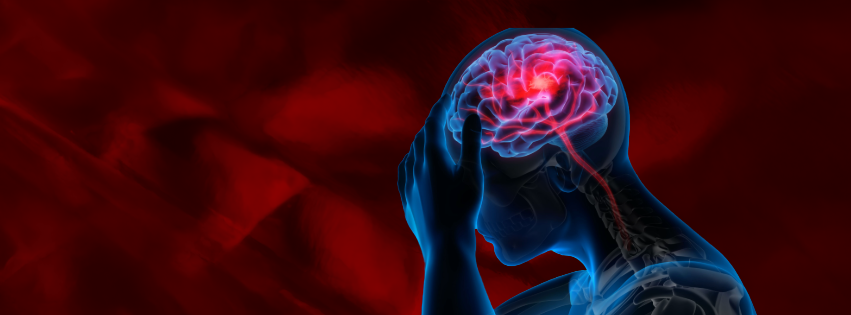
When something traumatic happens, your nervous system automatically reacts to keep you safe. This response happens in three possible ways:
- Fight-or-Flight Mode (Sympathetic Activation)
- Your body releases stress hormones like cortisol and adrenaline.
- You may feel anxious, hyper-alert, or easily startled.
- Symptoms include racing thoughts, restlessness, irritability, or panic attacks.
- Freeze or Shutdown Mode (Dorsal Vagal Response)
- If the threat feels too overwhelming, your body may go into shutdown.
- Symptoms include numbness, dissociation, fatigue, or a sense of hopelessness.
- Social Engagement (Ventral Vagal State)
- This is the state of safety and connection where healing happens.
- Feeling supported, connected, and heard helps the nervous system recover.
If the nervous system gets stuck in survival mode, trauma symptoms can persist long after the event.
Childhood Trauma vs. Adult Trauma
Trauma experienced in childhood can have a different impact than trauma experienced in adulthood.
🔸 Childhood Trauma:
- A child’s brain is still developing, making them more vulnerable to long-term effects.
- If they don’t feel safe or supported, their nervous system stays in survival mode, leading to issues like anxiety, depression, or emotional dysregulation later in life.
🔸 Adult Trauma:
- Adults have more developed coping mechanisms and emotional intelligence.
- While trauma can still have lasting effects, adults may have more tools to process and heal.
However, unresolved childhood trauma can make adult stress and trauma harder to handle, as past wounds resurface.
How to Heal from Trauma
Healing from trauma is not just about “talking it out”—it’s about regulating the nervous system and re-establishing a sense of safety. Some effective ways to heal include:
🧘♂️ Somatic Therapy – Helps release trauma stored in the body through movement and awareness.
💆♀️ Massage & Bodywork – Modalities like Manual Lymphatic Drainage (MLD), cranial-sacral therapy, and reflexology help calm the nervous system.
🌬️ Breathwork – Slow, deep breathing helps shift the nervous system out of survival mode.
🚶♂️ Gentle Movement – Walking, yoga, or stretching help regulate emotions.
📝 Journaling – Writing down thoughts can help process trauma and create emotional clarity.
🤝 Therapeutic Support – Seeking help from a trauma-informed therapist can be life-changing.
Trauma is not just about what happened to you—it’s about how your nervous system responded. Healing comes from learning to regulate the nervous system, re-establishing a sense of safety, and giving yourself compassion as you navigate the process. Whether trauma happened in childhood or adulthood, the good news is that healing is possible. By working with the body and mind, you can move out of survival mode and into a state of resilience, connection, and well-being.