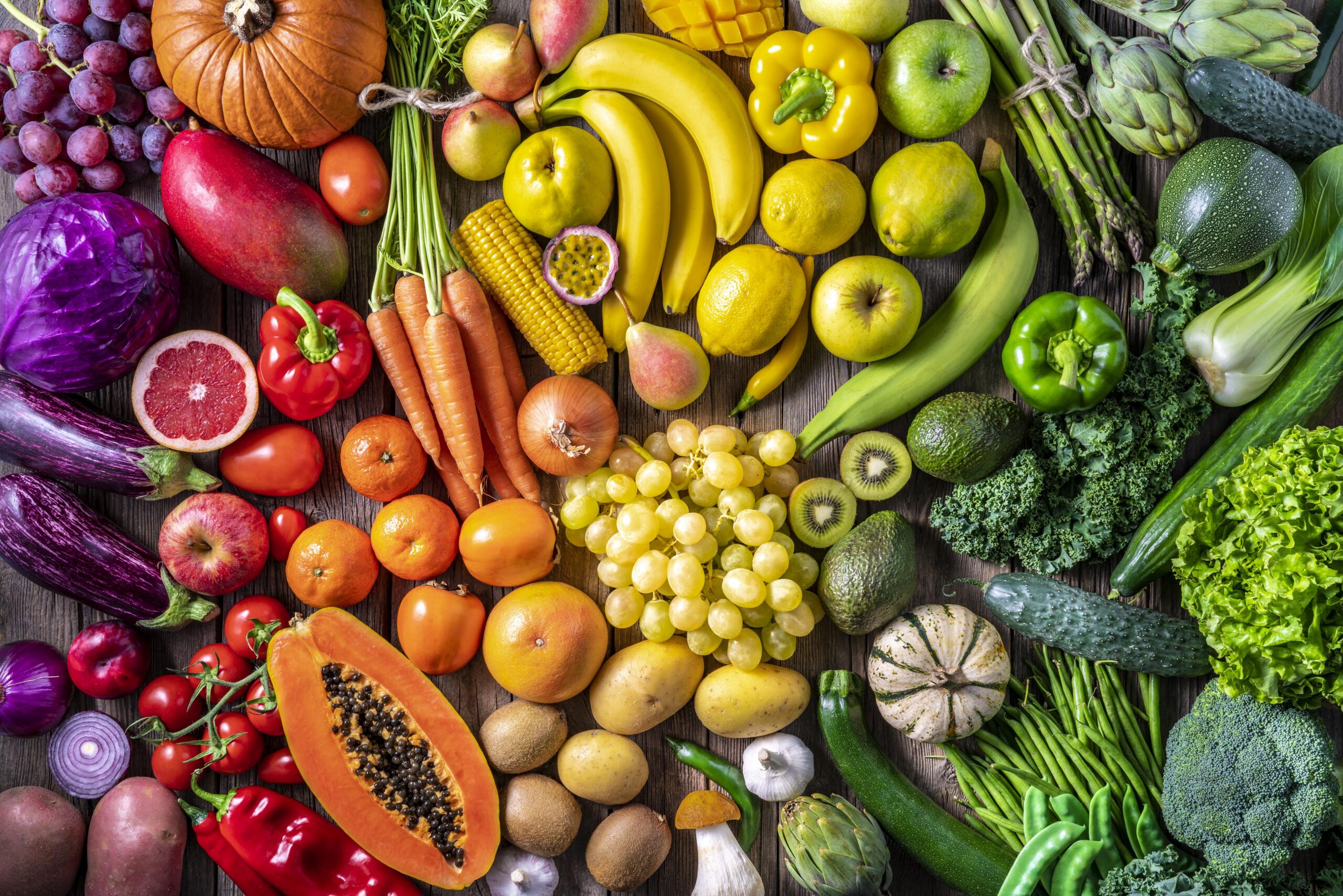
Eat the Rainbow: How the Colours of Food Support Your Health
Have you ever noticed how nature provides us with foods in so many beautiful colours? From deep purple blueberries to bright orange carrots and leafy green spinach, the colours on our plates can tell us something about the nutrients inside.
Different coloured fruits and vegetables contain different combinations of vitamins, minerals, antioxidants, and plant compounds that help support various functions throughout the body.
At Touchstone, we believe wellness is about supporting the whole person. Nutrition is one of the many ways we can help our bodies function at their best.
Let’s explore what the colours of food can offer.
💜 Purple & Blue: Brain Health and Healthy Aging
Purple and blue foods often contain anthocyanins, natural plant pigments with antioxidant properties.
These compounds are being studied for their potential role in supporting memory, cognitive function, cardiovascular health, and healthy aging.
Foods to enjoy: Blueberries, blackberries, purple grapes, eggplant, purple cabbage, and plums.
Wellness connection: Including colourful berries and purple vegetables in your diet may help support long-term brain and blood vessel health.
❤️ Red: Heart Health and Circulation
Red fruits and vegetables contain compounds such as lycopene and anthocyanins, along with vitamin C, potassium, and fibre.
Lycopene, particularly abundant in tomatoes, has been studied for its potential cardiovascular benefits.
Foods to enjoy: Tomatoes, strawberries, raspberries, watermelon, red peppers, and cherries.
Wellness connection: Red foods can contribute to a heart-healthy eating pattern that supports circulation and blood vessel function.
🧡 Orange & Yellow: Eye Health and Immune Support
Many orange and yellow foods are rich in carotenoids, including beta-carotene, which the body can convert into vitamin A.
Vitamin A supports healthy vision, skin, and immune function. Citrus fruits and yellow peppers can also provide vitamin C.
Foods to enjoy: Carrots, sweet potatoes, pumpkin, squash, oranges, mangoes, and yellow peppers.
Wellness connection: These colourful foods help provide nutrients involved in maintaining healthy eyes, skin, and immune defences.
💚 Green: Bone Health, Muscles and Cellular Wellness
Green vegetables provide a variety of nutrients, including vitamin K, folate, magnesium, and fibre.
Vitamin K plays an important role in normal blood clotting and bone health. Magnesium contributes to normal muscle and nerve function.
Foods to enjoy: Spinach, kale, broccoli, asparagus, green peas, Brussels sprouts, and avocado.
Wellness connection: Green vegetables provide nutrients that help maintain strong bones and normal muscle and nervous system function.
🤍 White & Brown: Gut Health and Immune Function
White and brown foods may not be as colourful, but they still offer valuable nutrients.
Garlic and onions contain prebiotic fibres that can help nourish beneficial gut bacteria. Mushrooms provide B vitamins and other nutrients, while cauliflower supplies fibre and vitamin C.
Foods to enjoy: Garlic, onions, cauliflower, mushrooms, parsnips, and white beans.
Wellness connection: Certain white foods help support digestive health and a healthy gut microbiome, which plays an important role in overall wellness.
Why Variety Matters More Than Any Single Colour
While food colours provide useful clues about nutritional benefits, no single colour or food supports only one part of the body.
For example, blueberries contain fibre that supports digestion, not just compounds associated with brain health. Leafy greens contribute to cardiovascular wellness as well as bone health.
The goal isn’t to eat a specific colour to treat a particular condition. Instead, it’s to enjoy a wide variety of nourishing foods that work together to support the body’s many systems.
Simple Ways to Eat More Colours Every Day
You don’t need to completely change your diet to enjoy more variety. Small additions can make a difference.
- Breakfast: Add blueberries, strawberries, or sliced banana to oatmeal or yogurt.
- Lunch: Include leafy greens, colourful peppers, and tomatoes in a sandwich, wrap, or salad.
- Dinner: Try combining two different coloured vegetables alongside your usual meal.
- Snacks: Enjoy carrots, apple slices, berries, or vegetables with hummus.
- Soups and stews: Add carrots, onions, leafy greens, beans, and other vegetables for an easy nutritional boost.
Frozen and canned vegetables and fruits can also be nutritious, convenient options. Eating well doesn’t have to be expensive or complicated.
A Whole-Body Approach to Wellness
At Touchstone, we recognize that the body functions as an interconnected system. Nutrition, movement, rest, stress management, and appropriate therapeutic care all contribute to overall well-being.
A balanced diet provides the nutrients our muscles, nerves, bones, digestive system, and other tissues need to function normally.
And sometimes, supporting your health can begin with something as simple as adding another colour to your plate.
The next time you prepare a meal, take a look at the colours. What could you add to make your plate a little more colourful?
Learn more about our whole-person approach to wellness at Touchstone.
This article is for general educational purposes and is not intended to replace individualized medical or nutritional advice. Food colours are helpful guides, not guarantees of specific health benefits.