Winter Tension: Why Cold Weather Makes Pain and Stiffness Worse


As the temperature drops, many people notice a familiar pattern. Muscles feel tighter, joints feel stiffer, old injuries speak up again, and pain that felt manageable in warmer months suddenly becomes louder. This is not imagined, and it is not a sign that something is wrong with you. Winter genuinely affects the body in very real and physical ways.
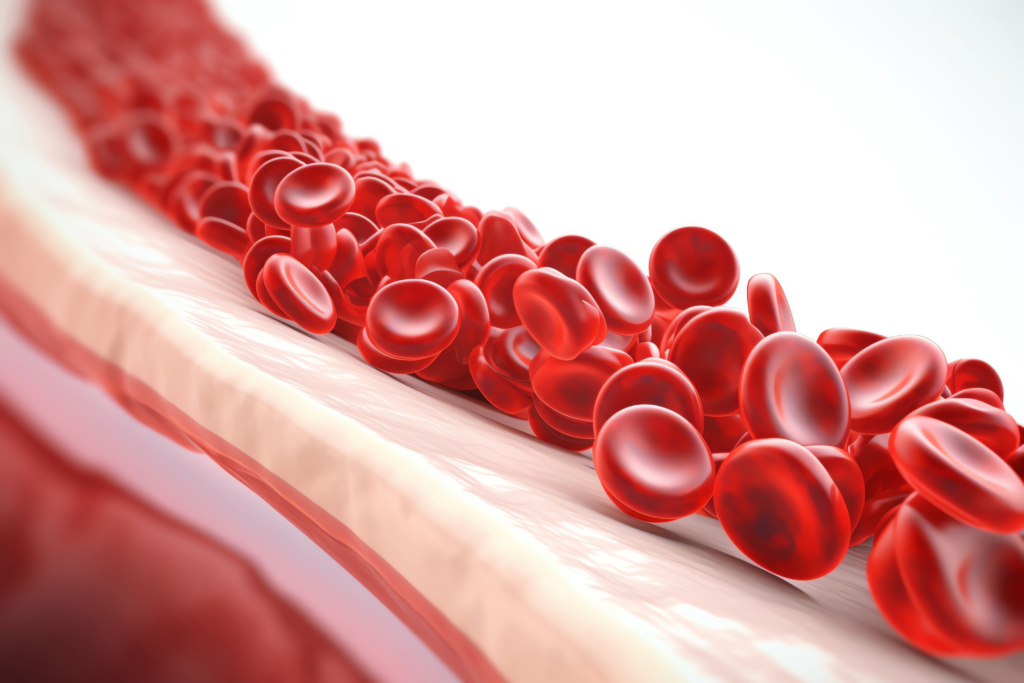
Cold weather causes blood vessels to constrict, which can reduce circulation to muscles and connective tissue. When tissues receive less warmth and oxygen, they naturally become less flexible. Fascia, the web-like connective tissue that surrounds muscles and organs, responds especially strongly to cold. It often becomes denser and less pliable, leading to sensations of tightness, pulling, or aching.
Movement patterns also change in winter. We move less overall, spend more time seated, and brace our bodies against the cold. Shoulders lift, jaws clench, and breathing becomes shallower without conscious awareness. Over time, these protective postures can turn into chronic tension, particularly in the neck, shoulders, hips, and lower back.
For those with previous injuries, arthritis, or chronic pain, winter can amplify symptoms. Scar tissue and inflamed areas tend to be more sensitive to temperature changes. Emotional stress, which often increases during and after the holidays, can also show up physically as muscle guarding and pain.
Winter tension is not a failure of the body. It is a response. The body is working to conserve heat, protect vital organs, and adapt to environmental stress. Instead of fighting this response, winter is an opportunity to support the body differently.
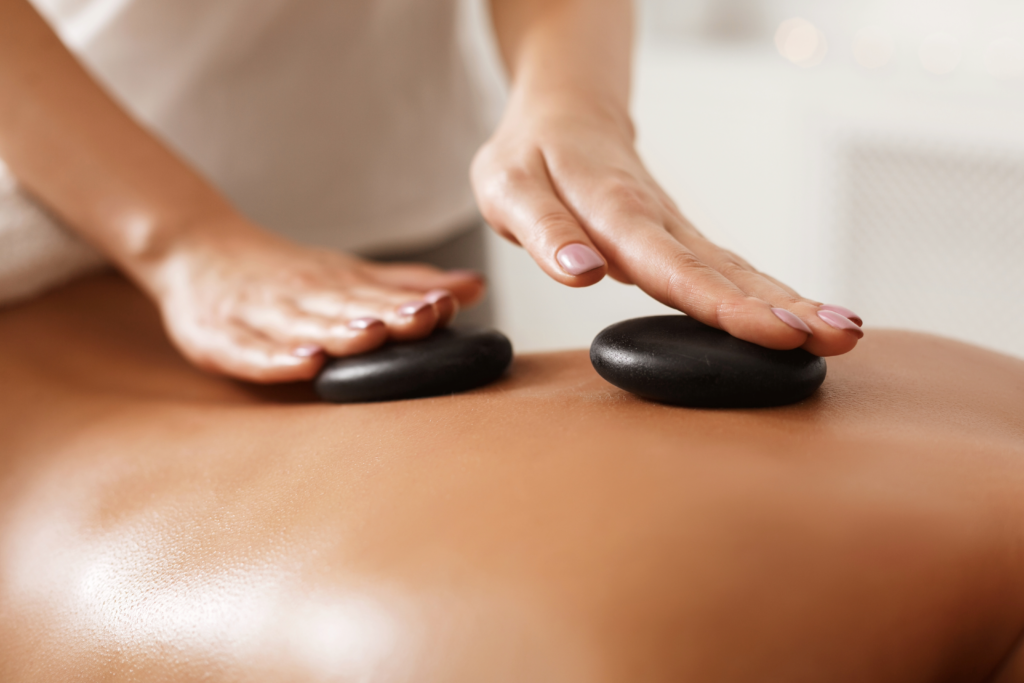
Gentle bodywork can be especially beneficial during this time. Therapies that encourage circulation and gradual release help tissues soften without overwhelming the nervous system. Deep Muscle Therapy, when applied thoughtfully, can address deeper holding patterns while still respecting the body’s need for safety. Reflexology can support circulation and grounding, while gentler approaches help reduce overall strain.
Outside of therapy, simple steps make a difference. Staying warm, choosing gentle movement, stretching without force, and allowing more recovery time all help the body adapt. Hydration remains important, even in colder months when thirst cues are less noticeable.
Winter pain does not mean you are going backward. It means your body is asking for care that matches the season.
https://touchstoneholistic.com/therapeutic-services/
Touchstone