Manual Lymphatic Drainage: An Excellent Support for Withdrawal Symptoms


Withdrawal from substances—whether alcohol, drugs, nicotine, caffeine, or even sugar—can be an intense and uncomfortable experience. As the body detoxifies, symptoms such as headaches, fatigue, nausea, body aches, and anxiety can arise. While traditional medical interventions help manage severe withdrawal, Manual Lymphatic Drainage (MLD) can be an excellent complementary therapy.
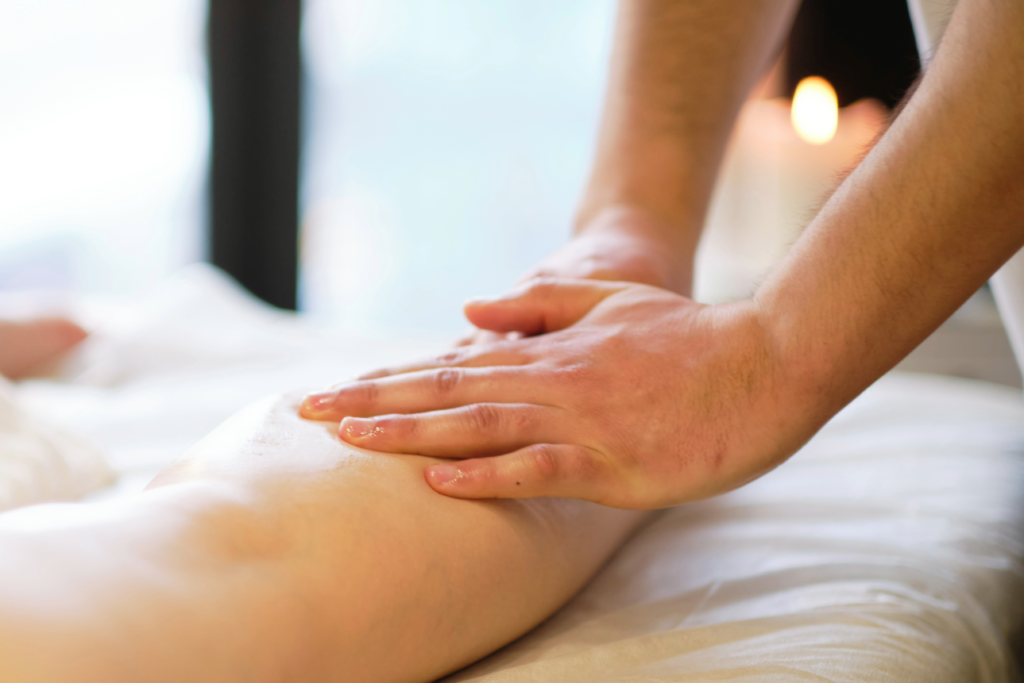
MLD is a gentle massage technique designed to stimulate the lymphatic system, helping the body remove toxins efficiently. This can make withdrawal symptoms less severe and support overall recovery.
Understanding the Lymphatic System in Detox
The lymphatic system is a crucial part of the body’s immune and detoxification processes. It helps:
- Remove toxins, waste, and excess fluids
- Transport white blood cells to fight infections
- Maintain fluid balance
Unlike the circulatory system, the lymphatic system lacks a pump (like the heart) and relies on muscle movement, deep breathing, hydration, and manual therapies like MLD to function properly. When undergoing withdrawal, the body often struggles to clear out built-up toxins, leading to sluggishness and discomfort.
How MLD Helps with Withdrawal Symptoms
MLD offers multiple benefits during withdrawal, including:
✅ Speeds Up Detoxification – By improving lymph flow, MLD helps the body eliminate toxins faster, reducing the duration of withdrawal symptoms.
✅ Reduces Fluid Retention & Swelling – Many individuals experience bloating or puffiness due to toxin buildup. MLD reduces inflammation and fluid retention, promoting overall comfort.
✅ Eases Anxiety & Stress – Withdrawal can trigger intense emotional distress. MLD activates the parasympathetic nervous system, which helps calm the body, reduce stress hormones, and promote relaxation.
✅ Supports the Immune System – During withdrawal, the immune system can become weakened. By improving lymph flow, MLD helps protect the body against illness.
✅ Relieves Muscle Pain & Fatigue – Many people in withdrawal experience body aches, stiffness, and fatigue. MLD improves circulation, delivering oxygen and nutrients more efficiently.
Unlike deep tissue or traditional massage, which may overstimulate the nervous system, MLD uses gentle, rhythmic movements to work in harmony with the body’s detoxification process.
MLD and the Nervous System
One of the most challenging aspects of withdrawal is nervous system dysregulation. Many people feel trapped in a “fight-or-flight” state due to heightened stress and cravings. MLD helps shift the body into a “rest-and-digest” state, allowing for deeper relaxation and emotional stability.
Incorporating MLD into a Recovery Plan
MLD works best when combined with other supportive practices, including:
- Staying hydrated to help flush out toxins
- Eating nutrient-dense foods to support the body
- Practicing deep breathing and meditation for emotional regulation
- Seeking professional support for withdrawal management
Withdrawal is a difficult journey, but natural therapies like Manual Lymphatic Drainage can provide essential support. By reducing discomfort, improving detoxification, and calming the nervous system, MLD offers a gentle yet powerful way to assist the body and mind in healing.