The Hidden Effects of Everyday Stress on Your Body
Stress is something we all experience.
A busy workday, caring for family members, managing appointments, meeting deadlines, or simply trying to keep up with everyday responsibilities can all contribute to stress. While occasional stress is a normal part of life, ongoing stress can begin to affect your body in ways you may not even recognize.
Many people think of stress as something that only affects their thoughts or emotions, but the body often feels the effects just as much as the mind.
Learning to recognize these signs is the first step toward supporting your overall well-being.
Stress Doesn’t Just Affect Your Mind
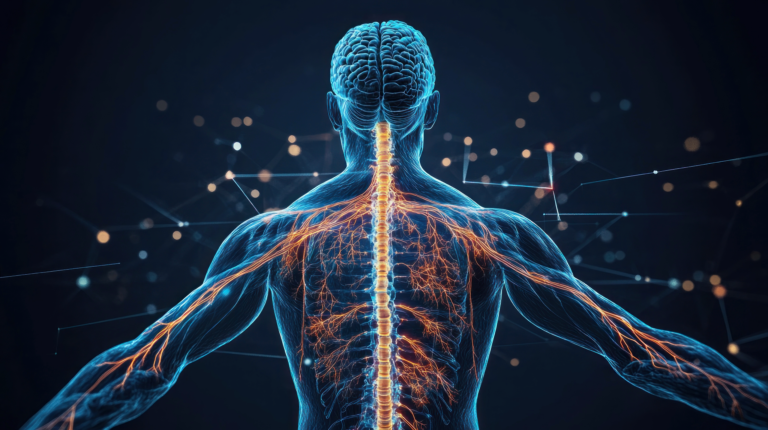
When you’re under stress, your body responds by releasing hormones that prepare you to react quickly. This “fight or flight” response is helpful in short-term situations, but when stress becomes part of everyday life, your body may remain in a heightened state for longer than it should.
Over time, this may contribute to:
- Tight muscles
- Headaches
- Difficulty sleeping
- Fatigue
- Digestive discomfort
- Reduced concentration
- Feeling emotionally overwhelmed
- General aches and pains
Many of these symptoms develop gradually, making them easy to overlook.
Where Does Stress Show Up?
Everyone experiences stress differently.
For some people, it appears as tight shoulders and neck muscles. Others notice tension headaches, jaw clenching, or lower back discomfort.
Some common physical signs include:
- Neck and shoulder tension
- Frequent headaches
- Muscle stiffness
- Restless sleep
- Low energy
- Digestive changes
- Shallow breathing
- Feeling constantly “on edge”
Because these symptoms can develop slowly, many people simply accept them as part of everyday life.
However, your body may be trying to tell you that it needs time to recover.
Emotional Stress Can Become Physical Stress
It’s easy to separate emotional and physical health, but they’re closely connected.
When we’re worried, overwhelmed, or constantly rushing from one responsibility to another, our muscles naturally tighten. Breathing may become shallower, posture changes, and relaxation becomes more difficult.
You may even notice yourself:
- Holding your shoulders up without realizing it.
- Clenching your jaw.
- Sitting in the same position for hours.
- Forgetting to take deep breaths.
- Feeling exhausted even after a full night’s sleep.
These small habits can gradually contribute to ongoing discomfort.
Everyday Stress Adds Up
Not every stressful situation is dramatic.
In fact, it’s often the small daily pressures that have the greatest impact over time.
Examples include:
- Long workdays
- Family responsibilities
- Financial concerns
- Busy schedules
- Caregiving
- Lack of personal time
- Technology overload
- Poor work-life balance
While each challenge may seem manageable on its own, together they can leave both your body and mind feeling depleted.
Healthy Ways to Manage Stress
Managing stress doesn’t always require major life changes.
Often, small daily habits can make a meaningful difference.
Consider:
- Going for a short walk.
- Stretching throughout the day.
- Drinking enough water.
- Limiting screen time before bed.
- Spending time outdoors.
- Practising deep breathing.
- Prioritizing quality sleep.
- Scheduling regular breaks.
Even a few minutes of intentional relaxation each day can help support your overall wellness.
The Importance of Taking Time for Yourself
Many people place themselves at the bottom of their own priority list.
Work comes first.
Family comes first.
Household responsibilities come first.
Eventually, there is little time left for personal well-being.
Taking time for yourself isn’t selfish. It allows you to recharge so you can continue caring for the people and responsibilities that matter most.
Self-care looks different for everyone. For some, it’s reading a book or spending time in nature. For others, it may include incorporating complementary therapies into their wellness routine.
How Complementary Therapies May Help
At Touchstone, we believe wellness involves caring for both the body and the mind.
Many people choose complementary therapies as part of their overall self-care routine.
Depending on your needs, you may find benefit in exploring:
Deep Muscle Therapy (DMT) to help relieve areas of muscular tension that may develop through stress or repetitive movement.
Cranial-Sacral Therapy, a gentle approach that many people find deeply calming and relaxing.
Reflexology, often chosen as an opportunity to unwind while supporting overall wellness.
Manual Lymphatic Drainage (MLD), a gentle therapy that supports the body’s natural lymphatic system and promotes relaxation.
Everyone’s experience is unique, and our therapists are happy to help you determine which service may be the best fit for your wellness goals.
Listen Before Your Body Has to Shout
One of the most important things we can do is listen to our bodies before stress becomes overwhelming.
Don’t ignore ongoing tension.
Don’t dismiss persistent fatigue.
Don’t assume feeling exhausted is simply “normal.”
Small signs today can become larger challenges tomorrow if left unaddressed.
Taking a proactive approach to your health may help you feel more balanced, relaxed, and better prepared for everyday life.
A Healthier You Starts with One Small Step
Stress is a part of life, but living in a constant state of stress doesn’t have to be.
By recognizing the physical effects of everyday stress, creating healthy routines, and making time for yourself, you can support both your physical and emotional well-being.
If you’re looking for ways to relax, reduce muscle tension, or simply take some well-deserved time for yourself, Touchstone offers a welcoming environment where your wellness comes first.
To learn more about our services or to book an appointment, visit touchstoneholistic.com or call 226-889-5654.
Sometimes the smallest step toward self-care can make the biggest difference.